Why You Need a Next.js SaaS Boilerplate in 2026

Building a SaaS application from scratch is a daunting task. Before you can even start developing your unique features, you need to set up authentication.

Why You Need a Next.js SaaS Boilerplate
Table of Contents

Building a SaaS application from scratch is a daunting task. Before you can even start developing your unique features, you need to set up authentication, integrate payments, configure a database, and build an admin dashboard.

For most developers, this infrastructure work consumes 4-6 weeks of valuable time. Time that could be spent building the features that actually differentiate your product. This is where a Next.js SaaS boilerplate becomes invaluable.

Key Takeaways

  • Time-to-Market Advantage. Boilerplates eliminate 4-6 weeks of infrastructure setup, letting you launch in days instead of months.
  • Production-Ready Best Practices. Security, performance, SEO, and mobile responsiveness are already implemented and tested.
  • Focus on Your Unique Value. Spend time building differentiating features instead of reinventing authentication and payment systems.

The Hidden Cost of Building from Scratch

Let's break down the real time investment required when starting a SaaS from zero:

User authentication can take 1-2 weeks to implement properly. You need to handle OAuth providers like Google and GitHub, implement magic link functionality, set up role-based access control (RBAC), and ensure secure session management.

Then there's payment integration. Whether you choose Stripe or LemonSqueezy, expect another week configuring webhooks, handling subscription management, and building customer billing portals.

Your email logic requires 3-5 days to set up transactional emails for welcome messages, payment receipts, and notifications.

Building an admin dashboard adds another week for user management, analytics, and settings pages. Add database configuration with PostgreSQL or Supabase, and suddenly you're looking at 4-6 weeks before writing a single line of your actual product code.

The opportunity cost is staggering. While you're configuring auth and billing, your competitors using a starter kit are already shipping features and talking to customers.

What Makes Next.js Ideal for SaaS

Next.js has emerged as one of the go-to frameworks for modern SaaS applications, and for good reason. As a full-stack React framework, it handles both your frontend UI and backend API routes in a single codebase.

The server-side rendering capabilities make your application SEO-friendly, which is critical for marketing pages and landing page optimization.

Performance is built-in with automatic code splitting and image optimization. The massive ecosystem means you'll find libraries and components for virtually any feature.

TypeScript support is first-class, giving you type safety across your entire application. When you're ready to deploy, platforms like Vercel offer seamless integration with zero-configuration deployments.

next.js saas boilerplate

Essential Features in a Quality Boilerplate

A production-ready SaaS boilerplate should come with several core systems already configured and ready to use.

Authentication systems

Look for multiple login options including OAuth providers and passwordless magic links. Role-based access control (RBAC) should be implemented with predefined user roles and permissions. Security features like Row Level Security (RLS) in your database layer protect user data automatically.

Payment integration

A good boilerplate handles the entire subscription lifecycle—from initial payment to webhook processing for real-time updates.

Customer portals should allow users to manage their own billing, update payment methods, and view invoices without contacting support.

Look for boilerplates that use popular payment gateways like Stripe or Merchant of Record like Lemon Squeezy.

Email infrastructure

It needs pre-built templates for common transactional emails. Integration with services like Resend or SendGrid should be configured, not just documented.

Templates for welcome emails, password resets, payment confirmations, and subscription updates save hours of design and coding work.

Dashboard components

Dashboards for both users and administrators are essential. Users need profile management, billing history, and settings.

Administrators need user management tools, analytics dashboards, and the ability to modify user roles and permissions.

Both should be mobile-responsive and built with modern UI frameworks like Tailwind CSS and Shadcn UI.

Real-World Example: What Production-Ready Looks Like

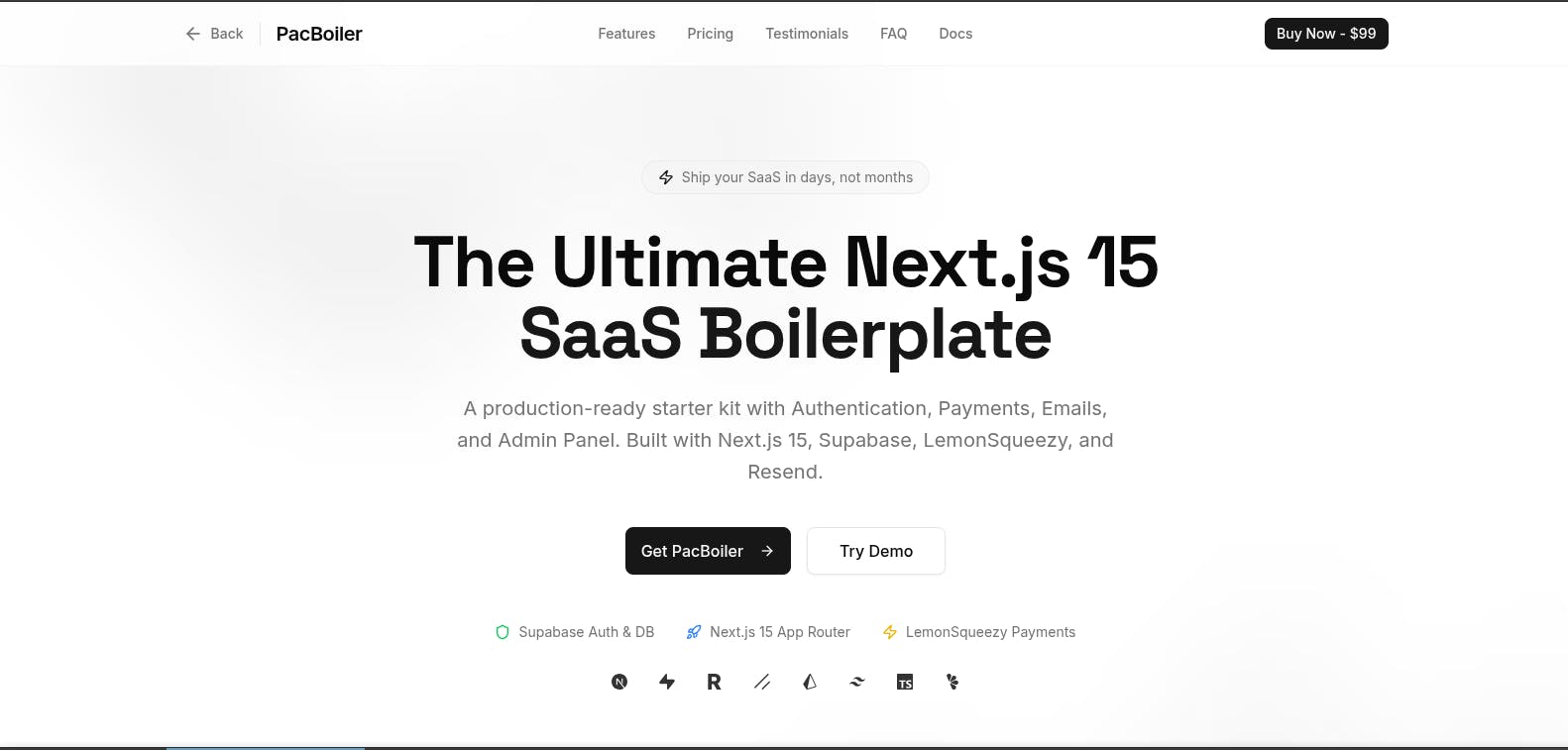
PacBoiler exemplifies what a comprehensive Next.js SaaS boilerplate should deliver.

Built with Next.js 15, TypeScript, and Tailwind CSS, it provides everything needed to launch a subscription-based SaaS application.

Pacboiler next.js boilerplate

Complete authentication comes configured with Google and GitHub OAuth alongside magic link functionality through Supabase. The authentication system includes RBAC with three predefined roles: User, Admin, and Super Admin. Supabase handles the database layer with PostgreSQL and Row Level Security policies already implemented.

Payment processing integrates LemonSqueezy for subscription management. Webhook handling is built-in, automatically updating user subscriptions in real-time. The customer portal allows users to manage their subscriptions, update payment methods, and view billing history. All without writing custom payment code.

The email system uses Resend with pre-built templates for every transactional email your SaaS needs. Welcome emails, subscription confirmations, payment receipts, and notification emails are ready to customize with your branding.

Marketing features include a waitlist system for pre-launch signups, a blog section for content marketing, and SEO optimization with proper meta tags and structured data. The landing page is conversion-optimized with sections for features, pricing, testimonials, and FAQs.

The admin panel provides comprehensive user management—view all users, modify roles, manage subscriptions, and handle account deletions. Everything is mobile-responsive and works beautifully across all devices.

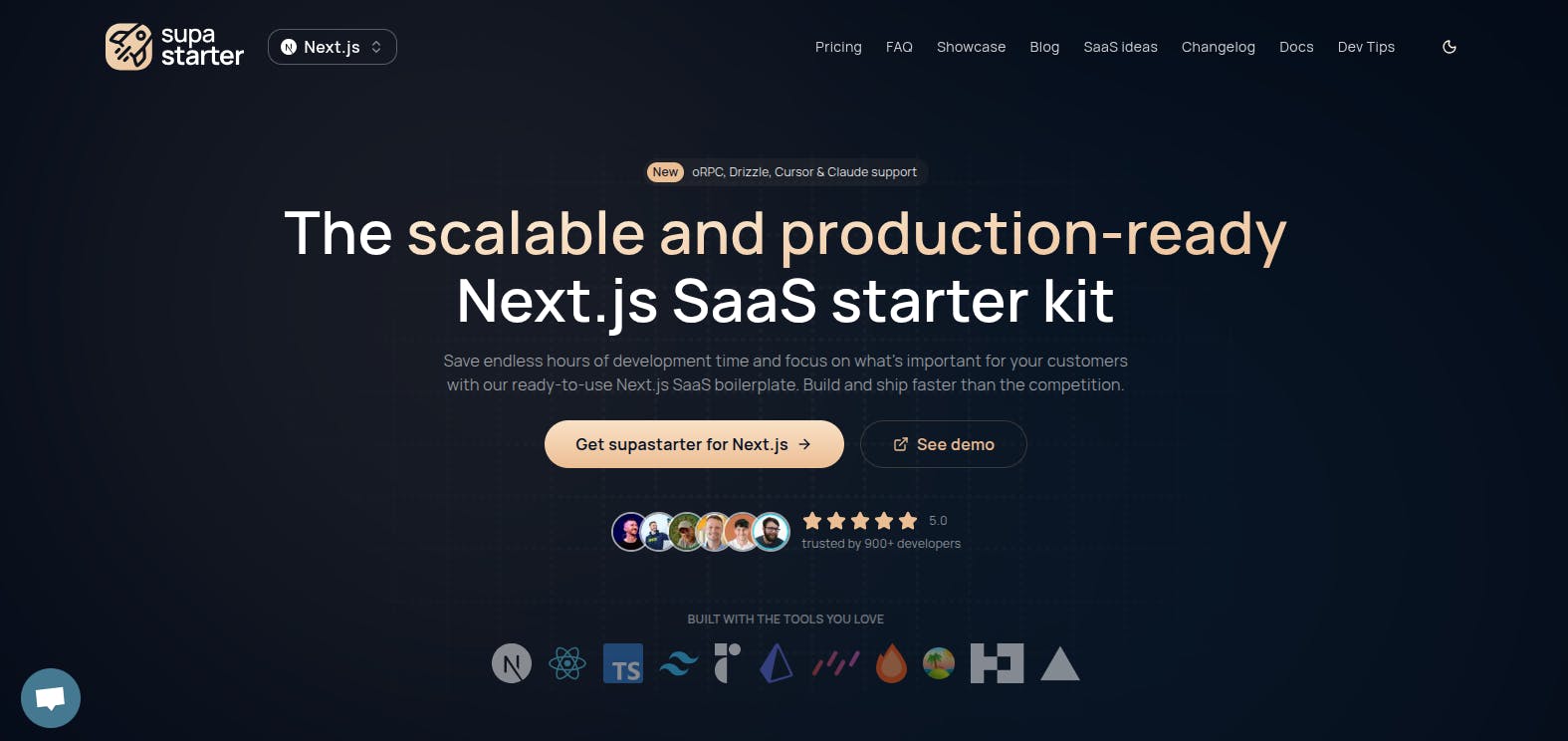
Other notable options in the ecosystem include SaaSBold, which targets enterprise customers with extensive integrations and multi-tenancy support, and ShipFast, known for its minimalist approach and quick setup process.

For budget-conscious developers, open-source alternatives provide basic starter kit functionality, though they require more configuration and customization work.

The Business Case for Boilerplates

Time equals money in the startup world. Launching your SaaS in days instead of months means reaching customers faster, generating revenue sooner, and staying ahead of competitors.

Every week spent on infrastructure is a week your competitors could be iterating based on real user feedback.

Best practices come included in quality boilerplates. Security features like database-level RLS, secure API routes, and protection against common vulnerabilities are already implemented.

Performance optimizations, SEO configuration, and mobile responsiveness are handled. You're building on a foundation of proven patterns rather than learning these lessons the hard way.

Ongoing value extends beyond the initial purchase. Regular updates keep your codebase current with Next.js releases and security patches. Bug fixes and new features arrive automatically.

Many boilerplates include community support or direct assistance from the creators, saving you from getting stuck on obscure issues.

Finally, boilerplates let you focus on what matters—your unique value proposition. You're not reinventing user authentication or debugging Stripe webhook signatures at 2 AM.

Instead, you're building the features that make your SaaS special, talking to customers, and iterating based on feedback.

Choosing the Right Boilerplate

Consider your tech stack preferences carefully. Do you prefer Supabase for its real-time capabilities and built-in auth, or Prisma ORM with a separate database?

For payments, does Stripe's extensive feature set justify the complexity, or does LemonSqueezy's simplicity better match your needs? Your email service choice like Resend, SendGrid, or another provider should integrate seamlessly.

Evaluate the feature set against your requirements. Does the boilerplate include everything you need, or will you spend weeks adding critical functionality?

Equally important: can you easily remove features you don't need? Over-engineered solutions with excessive abstraction can be as problematic as overly minimal starter kits that barely save time.

Check support and updates before committing. Is the boilerplate actively maintained with regular updates? Does the documentation explain not just how to use features, but why they're implemented that way?

Is there a community forum, Discord server, or direct support channel when you get stuck?

Start Building Today

Every day spent configuring authentication, debugging payment webhooks, or styling admin dashboards is a day not spent building your product.

A quality SaaS boilerplate gives you a proven, production-ready foundation so you can focus your energy on what makes your application unique.

The debate about building versus buying infrastructure is settled. Time-to-market matters more than custom auth implementations. The question isn't whether to use a boilerplate, but which one matches your stack and gets you to launch fastest.

Choose a boilerplate that aligns with your technical preferences, customize it to match your brand, and start shipping features that matter to customers. The best time to start was yesterday. The second best time is now.

Ready to launch your SaaS? Check out PacBoiler for a complete Next.js starter kit with authentication, payments, emails, and everything else you need to ship fast.